Record added successfully



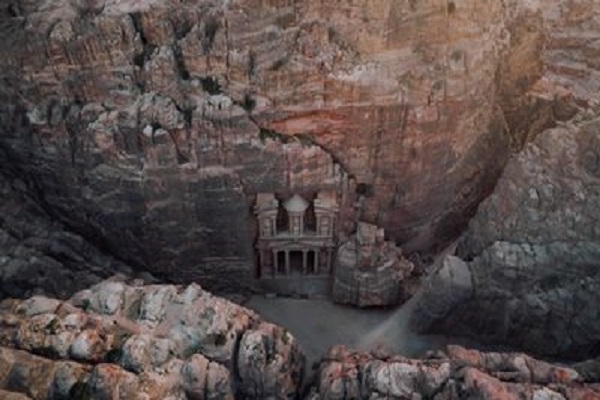
A significant railway project in Jordan, with an investment of $2.3 billion, is set to connect key mining regions to the port city of Aqaba. This initiative promises to improve transportation infrastructure for tourists, enhancing their overall experience in the country.
The development of this railway is anticipated to simplify travel throughout Jordan, offering tourists improved access to the country's diverse attractions. This new rail system will facilitate not just the transport of goods but also enhance passenger services, making it easier to travel between major sites like Petra, Wadi Rum, and the Dead Sea. With improved accessibility, visitors can craft more comprehensive itineraries that include areas that were once challenging to reach.
As the rail network expands, tour operators may adapt their services to incorporate train travel, which could result in innovative tour packages that showcase the picturesque routes connecting various cities and attractions. This shift will allow travelers to experience Jordan’s landscapes from a unique vantage point. Additionally, improved infrastructure is likely to reduce travel times, enabling visitors to maximize their time exploring each destination. Look forward to more integrated travel options that combine rail and road transport, facilitating smoother journeys.
For those planning to visit Jordan, it’s wise to keep track of the railway project's progress, as it may introduce new travel routes and opportunities. While buses and private tours remain popular, staying updated on train services will enhance your travel planning. Consider incorporating various modes of transportation in your itinerary to take full advantage of this evolving landscape. If you plan to explore Petra or Wadi Rum, remember to secure your accommodations and tour bookings well in advance, especially during peak seasons.
Jordan boasts several iconic destinations that should be included in every traveler’s itinerary. Petra, known as the 'Rose City', is a UNESCO World Heritage Site celebrated for its remarkable rock-cut architecture. Visitors can walk through the Siq, a narrow gorge leading to the Treasury, and spend hours exploring the ancient ruins. Wadi Rum is famous for its breathtaking desert landscapes and offers thrilling activities like jeep tours and stargazing overnight camping. The Dead Sea, with its unique buoyant waters, provides a surreal floating experience and is recognized for its therapeutic properties. Amman, the capital city, merges ancient history with modern culture, featuring sites such as the Roman Theater and lively markets. Jerash, known for its well-preserved Roman ruins, and Aqaba, with its stunning beaches and diving options, also highlight Jordan's diverse offerings.
The ideal times to explore Jordan are during the spring (March to May) and autumn (September to November), when the weather is mild and perfect for outdoor activities in places like Petra and Wadi Rum. Summer can be extremely hot, particularly in desert areas, while winter brings cooler temperatures, especially in the northern regions. For beach enthusiasts, Aqaba is enjoyable year-round, but spring and fall are particularly pleasant, with comfortable temperatures and fewer crowds. Consider aligning your trip with local festivals or cultural events for a richer experience.
When visiting Jordan, it is important to understand the current visa regulations and safety protocols. Jordan remains a generally safe destination for tourists, but it is advisable to check the latest travel advisories. Dressing modestly is recommended, especially at religious sites, and staying hydrated is crucial when exploring arid regions. Jordanian hospitality is exceptional, so take the opportunity to engage with local culture by sampling traditional dishes like Mansaf or Zarb in Wadi Rum. Additionally, connecting with local guides can enhance your understanding of Jordan's rich history and culture.