


Rising from rose-red sandstone cliffs in southern Petra, one of the ancient world’s driest cities has once again revealed a secret—this time, an engineering marvel hidden in plain sight.
A New Discovery at the Edge of Petra
Archaeologists have uncovered remarkable new details about the ‘Ain Braq aqueduct, a vital water system that once supplied the Nabataean capital. Running through the rugged massif of Jabal al-Madhbah, the aqueduct was long believed to contain a single water conduit. Recent research, however, has revealed the existence of a second channel, proving that Petra’s hydraulic network was even more advanced than previously thought.
Although much of the original lead piping has disappeared over the centuries, scientists were able to trace its imprint inside the conduit walls. By matching these impressions with surviving lead pipe fragments found nearby, they reconstructed how the system once functioned.
Ancient Engineering in a Desert Landscape
Long and narrow, the lead pipe likely operated as an inverted siphon—a sophisticated system that allowed water to flow downhill and then rise again using pressure. Water would first pass through a header tank before moving through the pipe and into a series of reservoirs within the city.
This discovery further cements Petra’s reputation as one of antiquity’s most ingenious desert cities. In a semi-arid climate with limited rainfall, the Nabataeans engineered dams, cisterns, channels, and aqueducts that supported:
-
Public baths
-
Lush gardens and agricultural terraces
-
Sacred fountains, including a monumental nymphaeum
-
Temples, sanctuaries, and tomb complexes
Their hydraulic mastery transformed Petra into a thriving trading hub long before it became part of the Roman province of Arabia in the 2nd century CE.
Why This Matters for Travelers Today
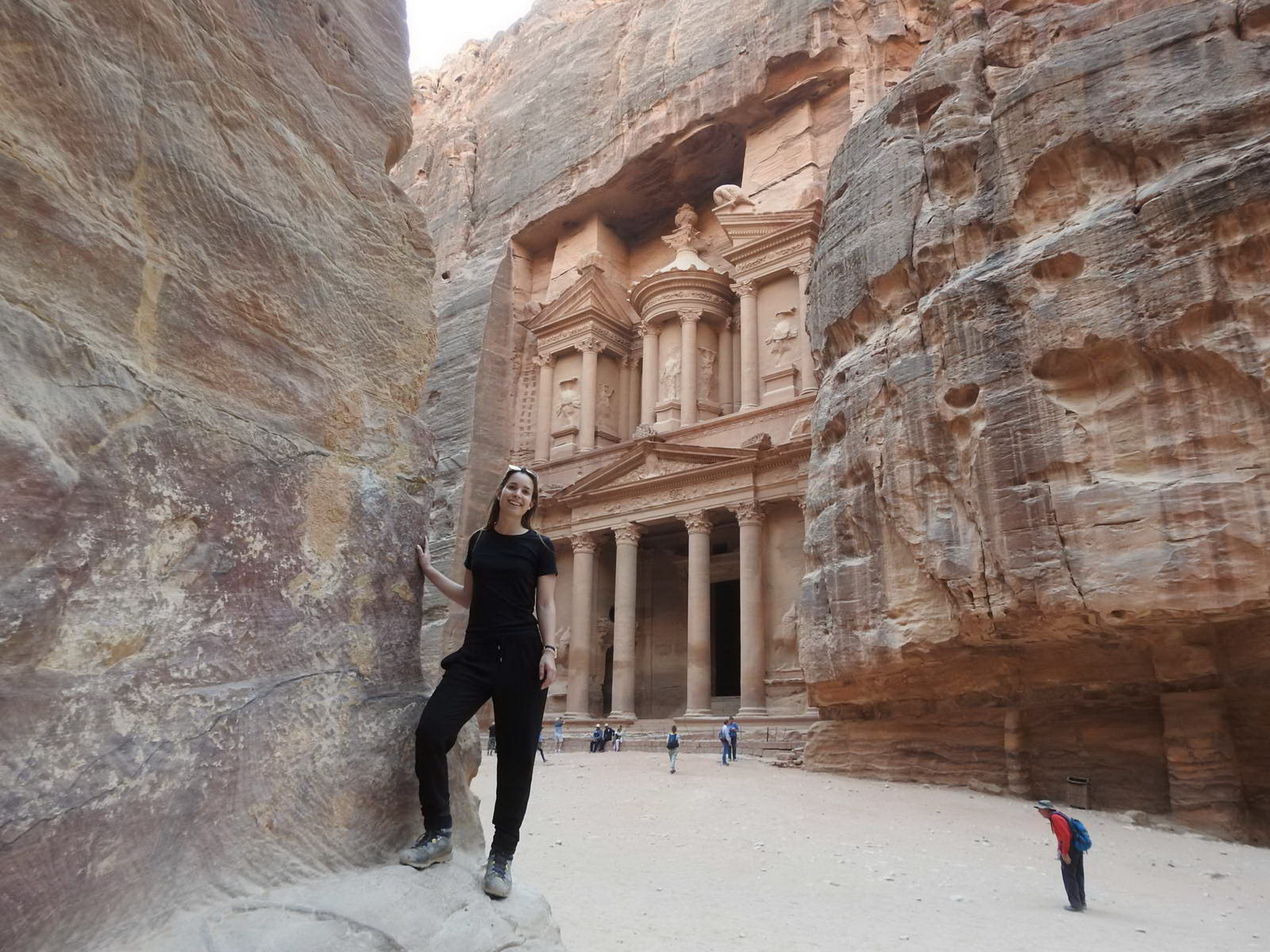
For modern visitors, Petra is often associated with iconic landmarks like Al-Khazneh (The Treasury) and the Monastery. But discoveries like the enhanced understanding of the ‘Ain Braq aqueduct reveal a deeper story—one of innovation, resilience, and urban planning in one of the harshest landscapes on earth.
When you walk through Petra’s narrow Siq or climb toward the High Place of Sacrifice, you’re not just exploring monumental architecture—you’re tracing the paths of ancient water systems that made life here possible.
This latest archaeological finding invites travelers to see Petra not only as a city carved from stone, but as a masterpiece of desert engineering, where survival depended not on fantasy technology, but on real-world brilliance thousands of years ahead of its time.